Hugh Kolias background
- Co-Founder and CEO, Canada Rocket Company
In this episode of Tank Talks, Matt Cohen sits down with Hugh Kolias, Co-Founder and CEO of Canada Rocket Company, right as the company exits stealth with a $6.2M all-Canadian seed round backed by Ripple Ventures, BDC, Garage Capital, and others. Hugh breaks down the real mission: give Canada sovereign, medium-lift launch capability, so we’re not dependent on foreign nations to put critical satellites into orbit, while still building a business that can win globally.
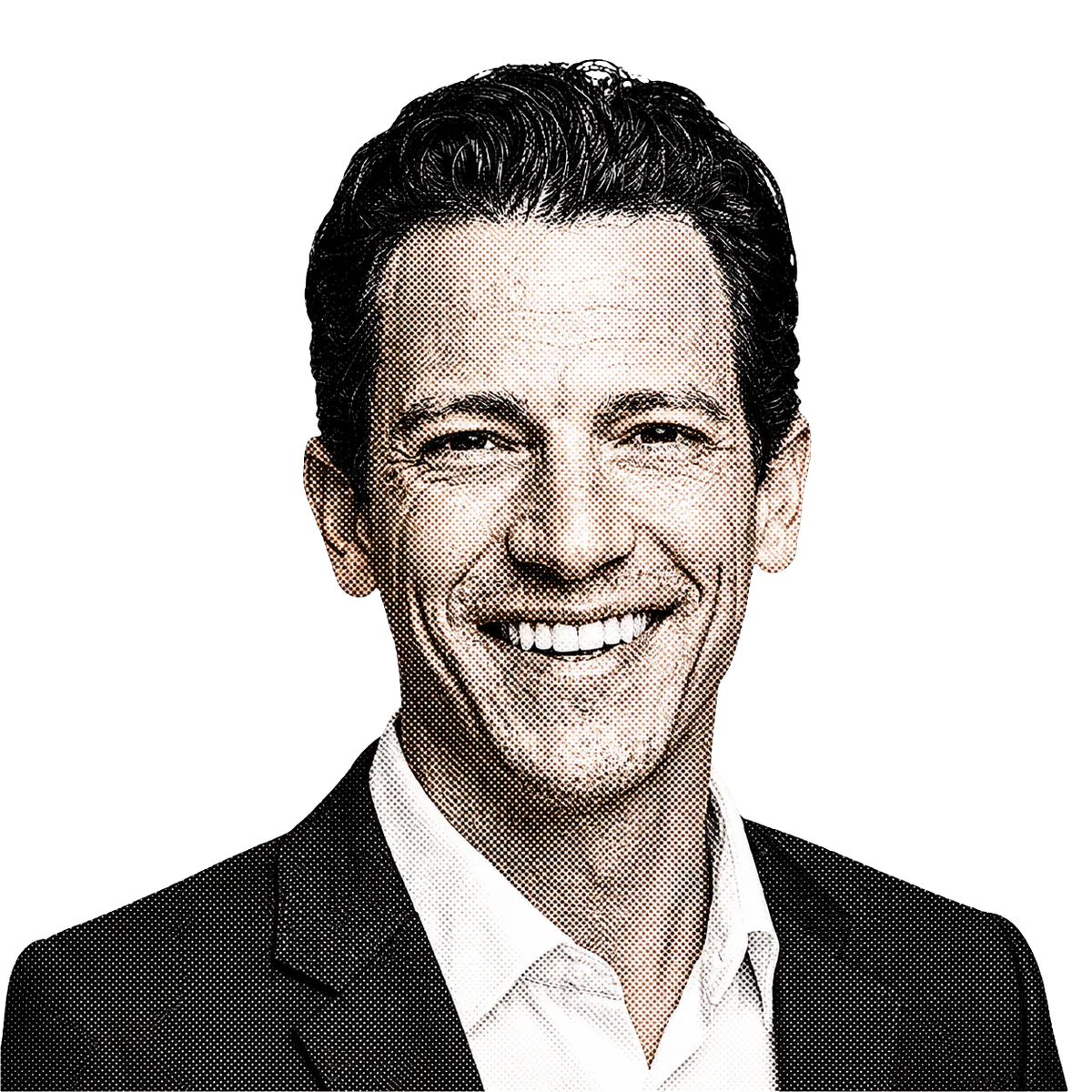
Hugh’s path: mechanical engineering, a detour into finance, then building and selling a PropTech SaaS business.
Why deep tech finally felt “doable” in Canada: shifting market appetite + policy momentum.
How Hugh discovered just how many Canadians were already working across elite aerospace teams.
The pitch that works: Canada’s stability + genuinely hard problems + a rare “clean sheet” chance.
How Hugh recruited his co-founder David, a former SpaceX engineer who helped optimize Falcon 9.
Why “paper to orbit” is the kind of challenge that pulls experienced builders in fast.
CRC’s focus: ~6,000 kg to LEO (the market gap between small launch and heavy lift).
The key market shift: satellites didn’t keep shrinking once launch costs dropped, so demand moved upmass.
Why CRC is betting on Methalox vs Kerolox: reusability economics and less refurbishment burden.
Their cycle choice: keep it simpler early (open-cycle gas gen) and iterate toward more advanced designs later.
Why CRC prioritizes partnerships early instead of trying to vertically integrate everything on day one.
Designing to match Canada’s industrial strengths (ex: metals/welding realities vs composites constraints).
How rising defense focus and sovereign launch priorities change the startup math for deep tech.
The bigger point: the “space multiplier” effect and why governments care (jobs, manufacturing, spillovers).
Benchmarks Hugh cites: ~4 years and ~$160M (inflation-adjusted) to reach orbit for top performers.
Scale expectations: ~150 people for light lift to orbit, then 500–1,000 for medium lift + manufacturing.