The Founder's Guide to Life After The Liquidity Event with Chris Canavan of Canavan Private Health
Watch the episode on
In this episode of Tank Talks, host Matt Cohen sits down with Chris Canavan, founder and general manager of Canavan Private Wealth, to unpack one of the most confusing and emotionally charged chapters in a founder’s journey: life after the liquidity event.
Chris brings thirty years of global institutional and private office experience to the table, but his superpower is not managing money. It is designing and running the system around a founder’s wealth. After watching countless entrepreneurs exit their companies only to be overwhelmed by advisors, decisions, documents, and emotional pressure, Chris built a model that restores clarity, control, and purpose.
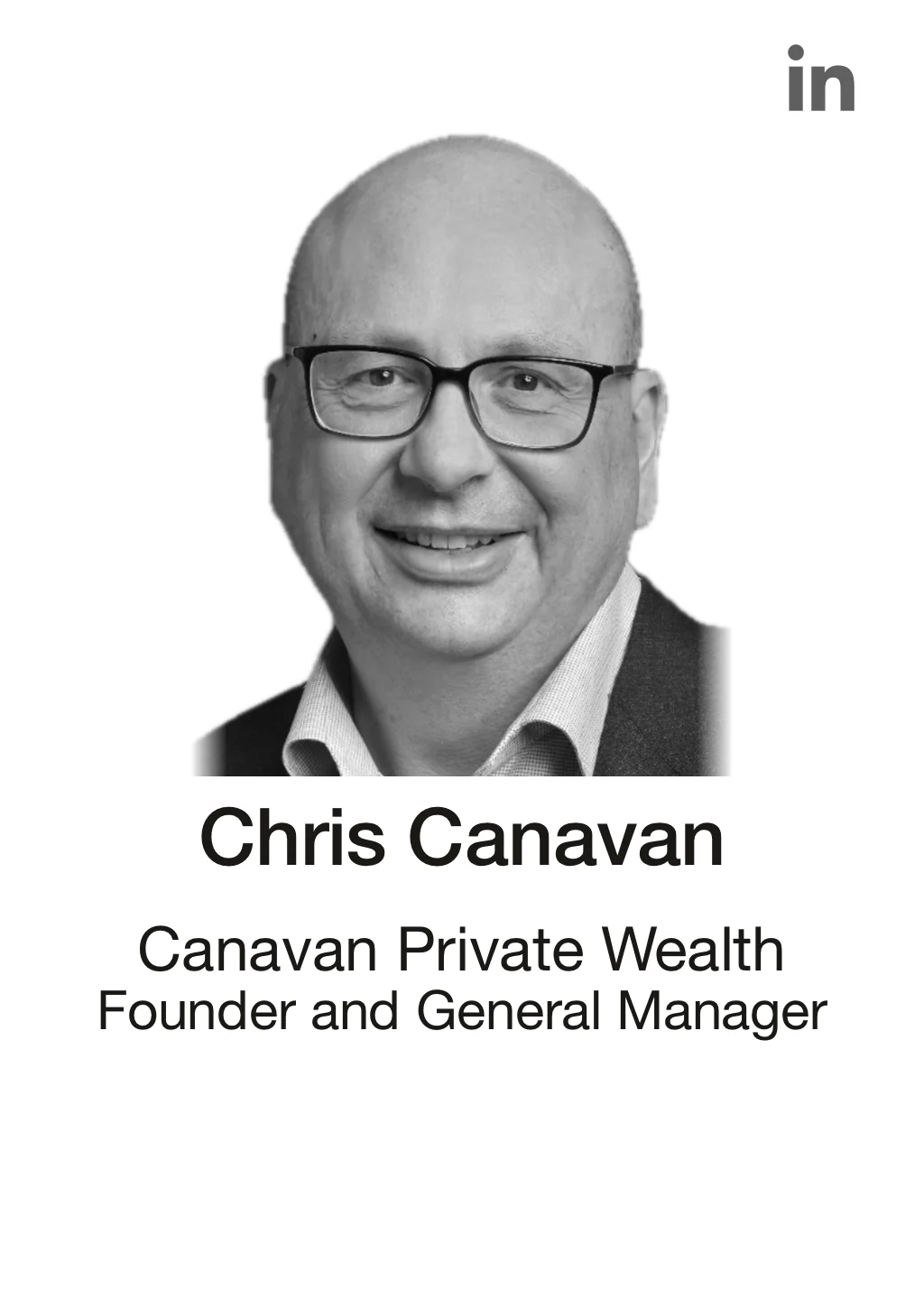
Chris Canavan, founder and General Manager, Canavan Private Wealth - Chris Canavan is the founder and General Manager of Canavan Private Wealth, a private office that provides institutional discipline and operational clarity to ultra-high-net-worth individuals.
- With a background at global institutions and Big Four firms, Chris specializes in helping founders navigate the complex transition after a liquidity event by managing the systems around their wealth, coordinating advisors, and helping them find renewed purpose.
Episode Overview
Spotting the Gaps: Managing the System, Not the Money
How advisory silos fail ultra-high net worth individuals
Why communication, not talent, is the biggest weakness in wealth management
The role of the generalist who understands every silo deeply enough to connect them
Why founders need someone three to seven feet deep across all disciplines
Finding the Right Clients and Building Trust-Based Relationships
Why fit, values, and authenticity matter more than money
How Chris screens clients who actually want to be helped
Why some founders treat advisors like commodities and how that destroys outcomes
Building long-lasting relationships built on accountability and transparency
Managing Founder Emotions and Behaviors Post-Exit
Founders are used to speed, scale, and instant execution
Why slowing down is the hardest adjustment
How Chris handles frustration, urgency, and emotional volatility
The importance of respect and boundaries when multiple advisors and egos collide
Early Warning Signs of Wealth Fragmentation
When day-to-day tasks start consuming founder’s mental bandwidth
The “black flies in cottage country” analogy
Why founders lose the ability to focus on what matters
The fire hose of advisors and opportunities after an exit
How Chris Evaluates Investment Opportunities for Clients
Pain reliever vs. gain creator: the framework for evaluating pitches
Why relationships and trust matter more than projected returns
How Chris filters noise before presenting anything to a founder
The story-first, numbers-second diligence process
The Psychological Crash After a Big Exit
Why life will never be the same after selling a company
How society begins to define founders by the name of their exit
The loneliness and loss of identity that shock new millionaires
Why every human needs a sense of purpose to avoid emotional collapse
Becoming a Project Manager of Your Own Life
Why successful entrepreneurs struggle when their team disappears
Trust-building, listening, and meeting founders where they areHow Chris transitions from advisor to integratorWhy trust cannot be demanded, only earned over time
Advice for Founders Preparing for an Exit
Why founders must build structure before signing final documents
The danger of early engagement with performance-focused advisors
Why founders need an unconflicted advisory boardHow to breathe, slow down, and avoid urgency-driven decisions
The Future of Private Wealth for Canadian Founders
Why founders will disrupt the private office industry
The coming shift from advice to execution
How operational efficiency will redefine wealth managemen
The democratization of systems once reserved for legacy families