Back to episodes

The Rundown 1/15/26: Kepler’s Space Lasers, RBCx Fundraising Lows, and the New Fight for Tech Sovereignty

In this episode of Tank Talks, host Matt Cohen and recurring guest John Ruffolo kick off the new year with a true “only in 2026” combo: a front-row seat to a SpaceX Falcon 9 launch carrying Kepler Communications’ satellites, followed by a hard reality check on Canada’s venture capital slowdown. John breaks down what it felt like watching the rocket, the first-stage landing, and why Kepler’s mission is bigger than a cool space flex: it’s the early shape of space-based data centers and laser-linked networks.
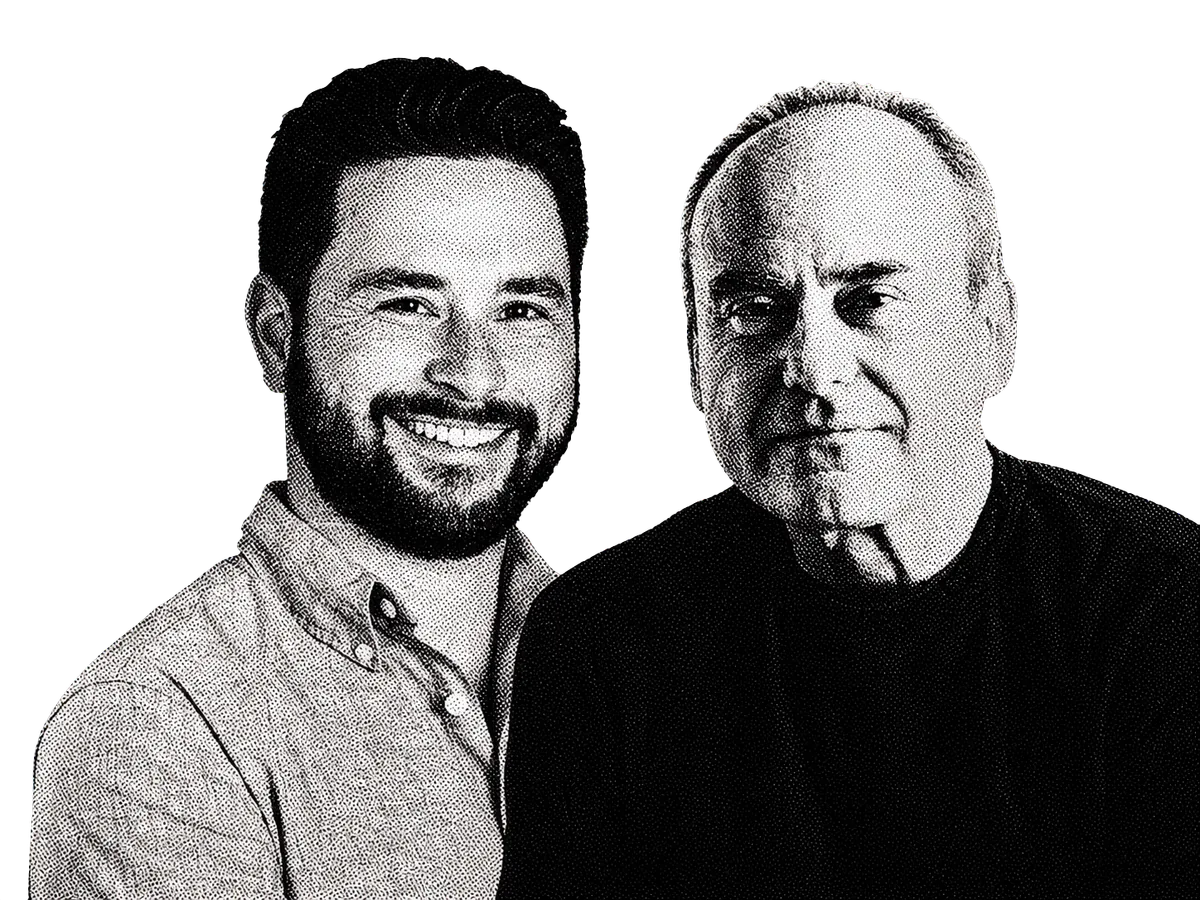
Matt Cohen & John Ruffolo

Matt Cohen and John Ruffolo

Matt Cohen

Host · Founder & Managing Partner, Ripple Ventures

  • Matt Cohen hosts Tank Talks and co-hosts The Rundown, where he and John Ruffolo discuss current events across Canadian technology, startups, venture capital, and the economy.

John Ruffolo

Co-host · Founder & Managing Partner, Maverix Private Equity

  • John Ruffolo co-hosts The Rundown with Matt Cohen, bringing an investor’s perspective to the current events shaping Canadian technology, venture capital, and the broader economy.

Episode Overview

  • In this episode of Tank Talks, host Matt Cohen and recurring guest John Ruffolo kick off the new year with a true “only in 2026” combo: a front-row seat to a SpaceX Falcon 9 launch carrying Kepler Communications’ satellites, followed by a hard reality check on Canada’s venture capital slowdown.
  • John breaks down what it felt like watching the rocket, the first-stage landing, and why Kepler’s mission is bigger than a cool space flex: it’s the early shape of space-based data centers and laser-linked networks.
  • From there, Matt and John unpack an RBCx report arguing 2025 was Canada’s worst VC fundraising year since 2016, and why “capital is fungible” is a comforting myth at the seed stage.
  • They dig into how de-globalization and national self-interest are reshaping capital flows, why Canada is getting squeezed by the barbell effect in venture, and what policy levers (like a QSBS-style incentive) could actually restart domestic risk capital.
  • The episode closes with two tension points that rhyme: Nvidia’s $20B Groq (with a Q) deal showing how returns can flow outside Canada, and the escalating political drama of Trump’s DOJ targeting Fed Chair Jerome Powell and what that uncertainty does to markets.
  • If Canada can help put “data centers in the sky,” can it also build the domestic capital base to keep its best companies anchored at home?

Key Topics

  1. “A Data Center in the Sky” + Laser-Linked Networks

    Kepler’s satellites are positioned as more than comms hardware: think orbital compute + storage + real-time processing, with laser links connecting satellites like a network in space.

  2. The RBCx VC Report: 2025 Fundraising Hits a Low

    Matt summarizes the report’s headline numbers and why the pain concentrates on emerging managers and the long tail, not the handful of breakout founders who can raise anywhere.

  3. “Venture Investing Is Local” in a De-Globalizing World

    John challenges the idea that foreign capital will fill gaps at the earliest stages. In this cycle, countries increasingly keep capital for their own ecosystems, making Canada’s domestic shortage more dangerous.

  4. The Barbell Effect: Giants and Niche Funds Win, the Middle Gets Crushed

    They outline how venture is polarizing into mega-platform funds and specialized micro-funds, while mid-sized generalists get squeezed, and why that dynamic is amplified in Canada.

  5. Nvidia’s $20B Groq Deal and Canada’s Return Profile

    They break down the Groq (Q) story, Canadian ties among investors and operators, and the bigger question: if LPs can make outsized returns elsewhere, what keeps capital committed to Canada?

  6. Trump vs Powell: DOJ Pressure, Fed Independence, and Market Fallout

    They react to the reported DOJ move against Jerome Powell, how even Republicans are uneasy about weaponization, and why political pressure campaigns tend to increase uncertainty, not lower it.

  7. Why Uncertainty Pushes Rates Up, Not Down

    John’s punchline: the intended outcome (lower costs, lower rates) can backfire as markets price in instability, and the Powell timeline may extend into a longer institutional fight.